Showing posts with label ipm. Show all posts

Friday, October 17, 2008

Mystery Box Revealed

Remember that box from the other day? Were you curious about what was in it?

Ethiopian Goat Skin Sandal

Four words: Ethiopian Goat Skin Sandals.

Ethiopian goat skin sandals which were once the home of an astounding number of pests, judging by the number of tiny molted bug skins I removed from the nooks and crannies of the sandals with tweezers. To be honest, it was pretty gross. I took a photo of the pile of moltings I removed from just one sandal. And possibly not all of them.

Bug carcasses

Icky, huh? I was glad to find that, despite all of the moltings, I didn't find anything that looked live.

In other news, the US election is coming up pretty soon. Voter registration in Washington State ends in a few days. If you haven't registered yet, go do it! And then vote! This has been a non-partisan message from your friendly civil servant.

Wednesday, October 15, 2008

Freezers: Not just for freezing food anymore

The museum has a freezer. In fact, we're going to get a bigger and better freezer in our new facility, but this little freezer is doing okay for the time being.
Pest Freezing

Um, okay, so we have a freezer. That's kind of boring. But why does a museum have a freezer? For hoarding microwave dinners and popsicles? No! For Integrated Pest Management!

Some bugs eat the kinds of things we keep in museums: fur, leather, paper, glue, horn, pretty much anything. But spraying collections with chemicals can be bad for the objects, not to mention the staff, so most museums use an IPM approach. IPM tries to be environmentally friendly and use methods other than pesticides to control potential infestations. And one of those methods is freezing (.pdf).

Freezing an object once will kill many pests. Freezing an object twice will kill most larvae/eggs. And that's what I did recently - sent this mystery box through a freeze-thaw-freeze-thaw cycle.
Pest Freezing

The box is wrapped in two layers of plastic sheeting and masking tape. The barriers should prevent condensation from occurring on the object (which is Not Good) - condensation should instead occur on the outside of the barrier. And not all objects should be frozen either. Anything painted, metal, glass, and teeth are among the objects which should not be treated in this manner.

But what's in the box? Well, I'll get to that on Friday - I think this post is getting long enough.

PS: I've spruced up the sidebar with some new widgets. What do you think? If you know of some great widget (or better ones than I've found), let me know!

Tuesday, September 2, 2008

And the beat goes on

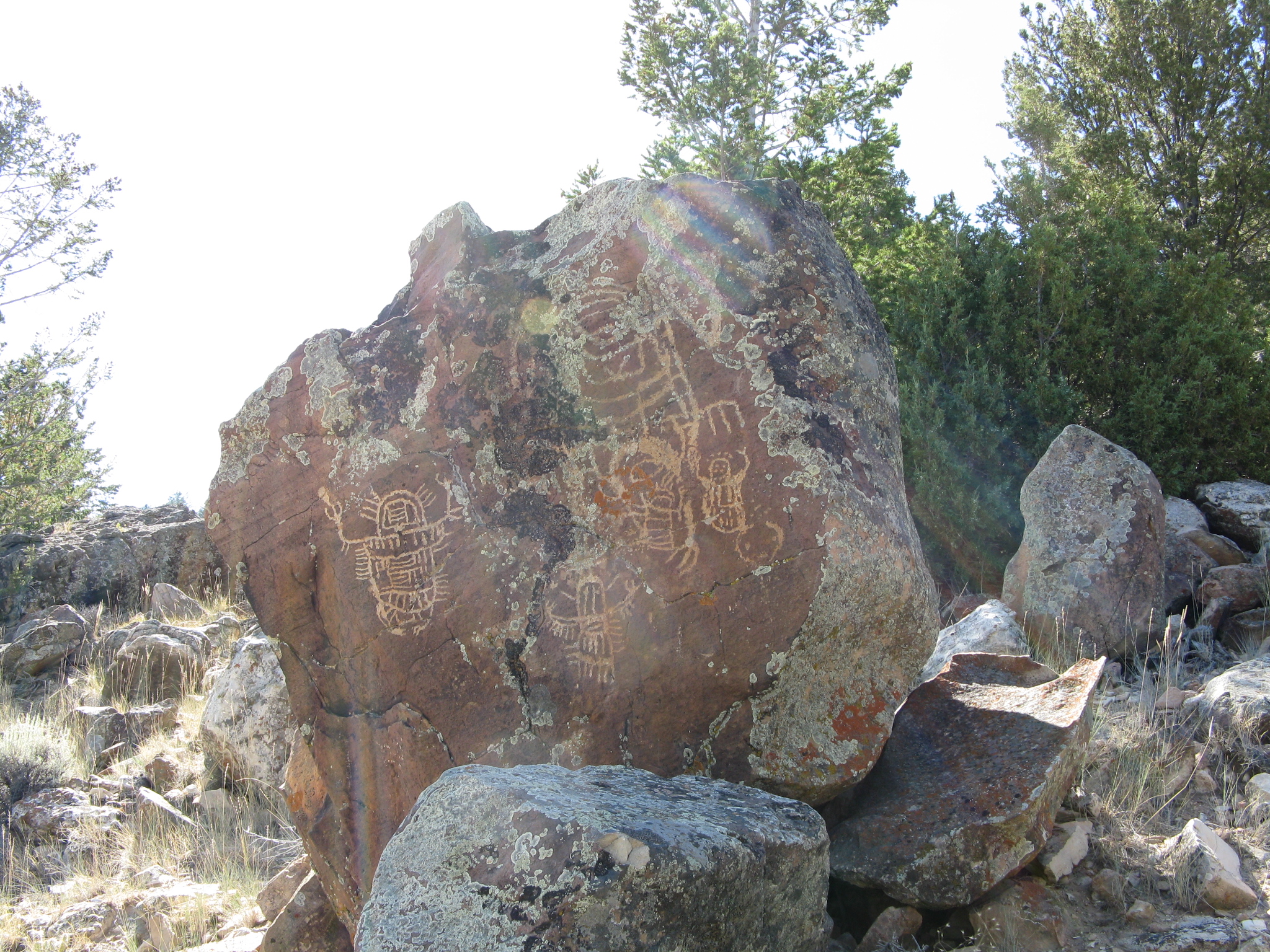
Well, I am back from vacation. It was delightful and I got to see lots of natural beauty, some interesting museums, amazing petroglyphs, and lots of great American kitsch. But September is here, and I guess that means a return to reality. And with reality, comes mystery.

I have the object pictured below and I have no idea what it is. It reminds me of something my grandmother had with her sewing supplies, but I don't have a clue about how to start searching the internet to find a name for it. Do you have any idea? It's made of a light wood, with a structure that reminds me of bamboo.
Unidentifed object

And look what else I found upon my return to work! A great big spider. I think it's a Hobo spider. I saw two in two days. One here at work, and one in my apartment. *shudder* I'm not a huge fan of big, venomous spiders.
Big spider
I'm not actually concerned about seeing one here at work because these spiders usually live outside, I didn't find it in a collections area, and spiders rarely pose a threat to collections. Spiders, if they are living in collections areas, are more likely to be a monitor that will let you know there may be other pests in your collections. Still, I'll be happy enough not to run into one of these guys again this year.